What you need to know about the end of third-party cookies
At first, not many people believed in the end of third-party cookies. But now the time has come: cross-site tracking, digital fingerprints, pixels and third-party cookies will soon be behind us. But what else awaits us? In 2022 we had to leave the past behind, because that was the year Google began phasing out third-party cookies.
Fire8 as a Google Ads Agency can help you develop new strategies to stay successful even without third-party cookies.
Is cookie-based marketing about to become obsolete?
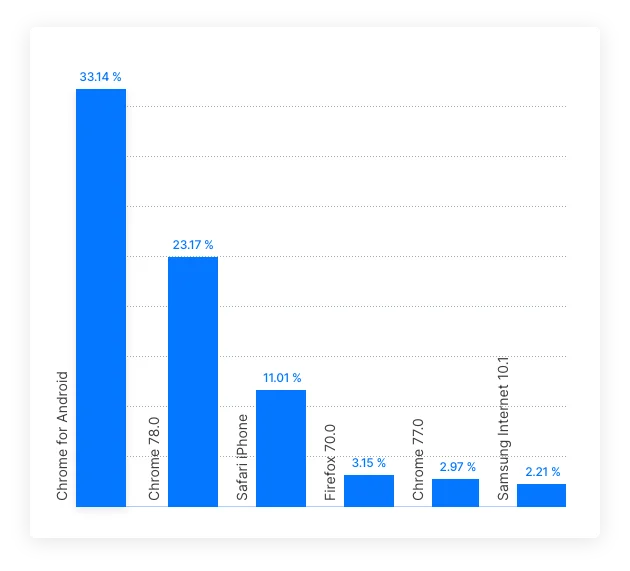
If you think all your cookie-based marketing strategies will soon become redundant, you can breathe a sigh of relief. So far, Google is only planning to phase out third-party cookies in its own browsers. Other browsers have already been doing this for some time. Google Chrome, however, is by far the largest and accounts for more than half of global web traffic. The move is therefore particularly relevant with regard to Google Display Ads and YouTube Ads campaigns, because remarketing will become more difficult in the future.
The migration from cookies to cohorts
First-party cookies, which collect basic data about visitors to your own website, remain safe. Currently, however, third-party cookies are mainly used to identify individual users in order to serve personalized ads.
Google's new plan is to assign people to "cohorts" instead. These cohorts are created based on users' general interests. Because of the thinner data basis, each cohort will probably comprise a few thousand users.
Everything for privacy
The phase-out of third-party cookies may come as a surprise to some. Industry insiders, however, have known about this development since well before the growing efforts for data protection measures at the state level.
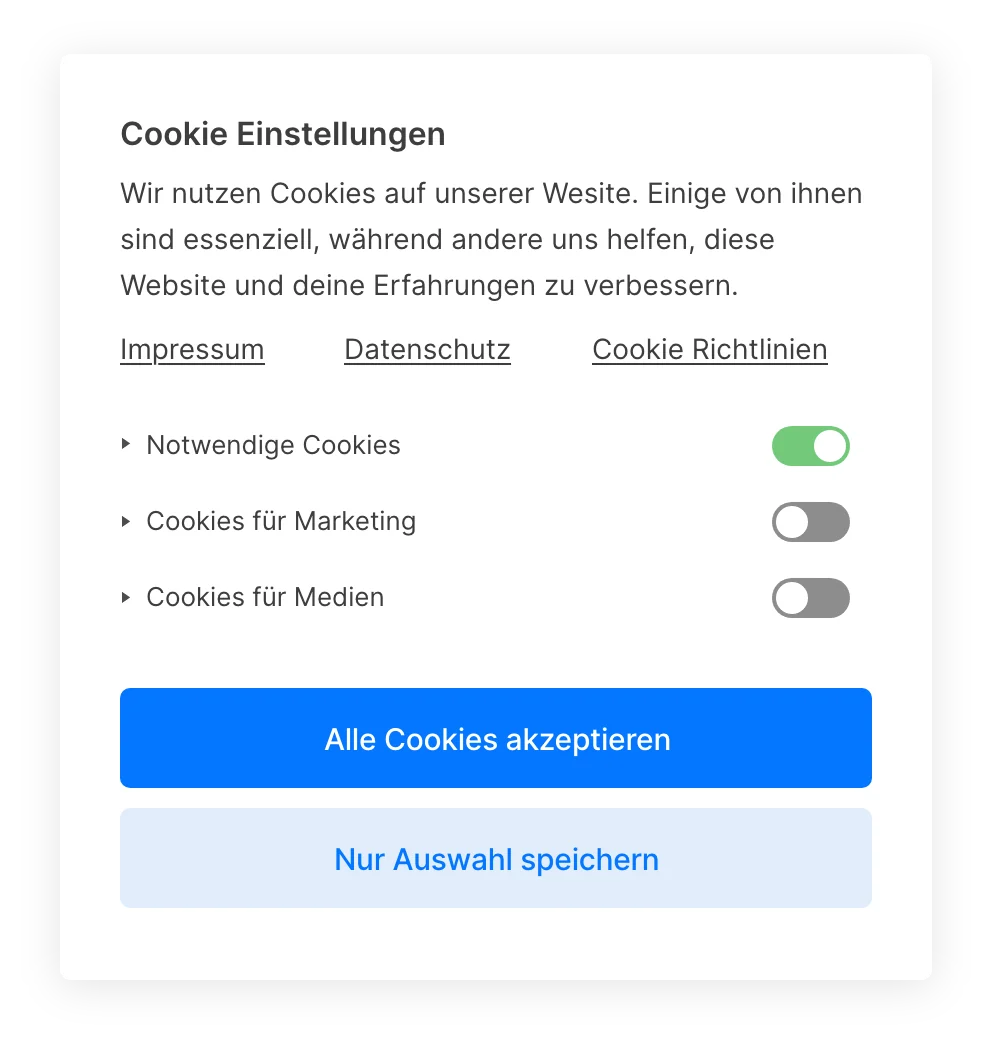
Only a few years ago, Europe's highest court ruled that users in the EU must actively consent to all analytics cookies when they visit a website. Website operators can consequently no longer rely on implicit opt-in, that is, displaying cookie banners while the visitor continues browsing the website.
At this point, however, work is already underway on alternative tools for advertisers that rely more heavily on first-party cookies and divide visitor profiles into anonymous "segments".
Will advertising become ineffective as a result?
Even if digital advertising in the area of Remarketing could lose some effectiveness as a result, this is a strategy that can work. Better still, it can also help protect users' privacy at the same time.
A possible problem with the switch to cohorts, however, is the discrimination against individual users and groups. This can and very likely will lead to a decrease in the accuracy of cookie-based remarketing.
What does the switch to first-party data mean for my company?
Consistent, high-quality first-party data must be given priority! This makes it possible to create a 360-degree view of a customer. Transparency must also become a cornerstone!
Long-term success depends on making it obvious to all parties involved how customer data is compiled and used. The last piece of the puzzle is a smooth user experience with relevant Content Marketing. You need to know who you are talking to and how a user has interacted with your brand! That way you can engage them with compelling personalized content and maximize the value of top-of-funnel engagement.
How Fire8 deals with the death of third-party cookies
At Fire8, we always recommend a well-rounded approach that includes a well-designed website, professional search engine optimization through the SEO Agency Zurich, Social Media Marketing, Online Advertising and Digital Analytics activities. This ensures that if something happens to one channel, there is still enough room to change the strategy on other channels. Our plan is to keep doing what we do best: developing a long-term, adaptable strategy that brings qualified leads and helps our customers create a digital footprint.